
Your Trusted Mobile Hair Salon in Portsmouth, NH
My Portsmouth NH mobile hair salon brings professional hair services to your doorstep, ensuring style and comfort wherever you are.
⭐⭐⭐⭐⭐ Ratings By Users
Schedule Your Mobile Hair Appointment
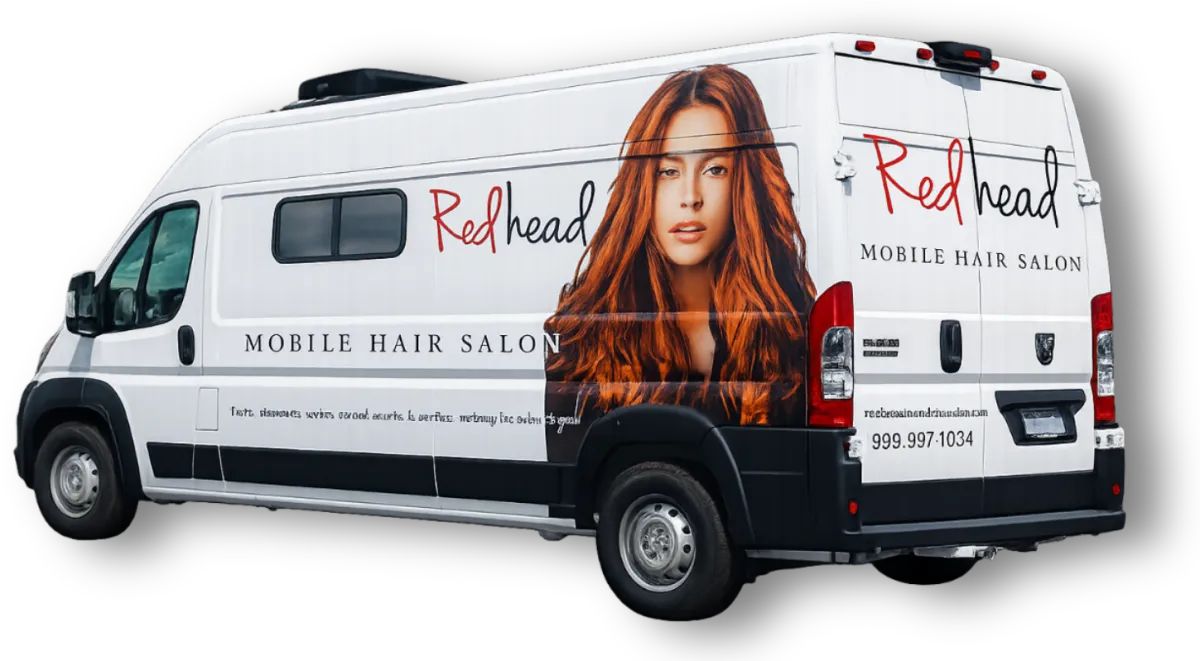
Professional Hair Services at Your Door
Portsmouth's Premier Mobile Hair Salon
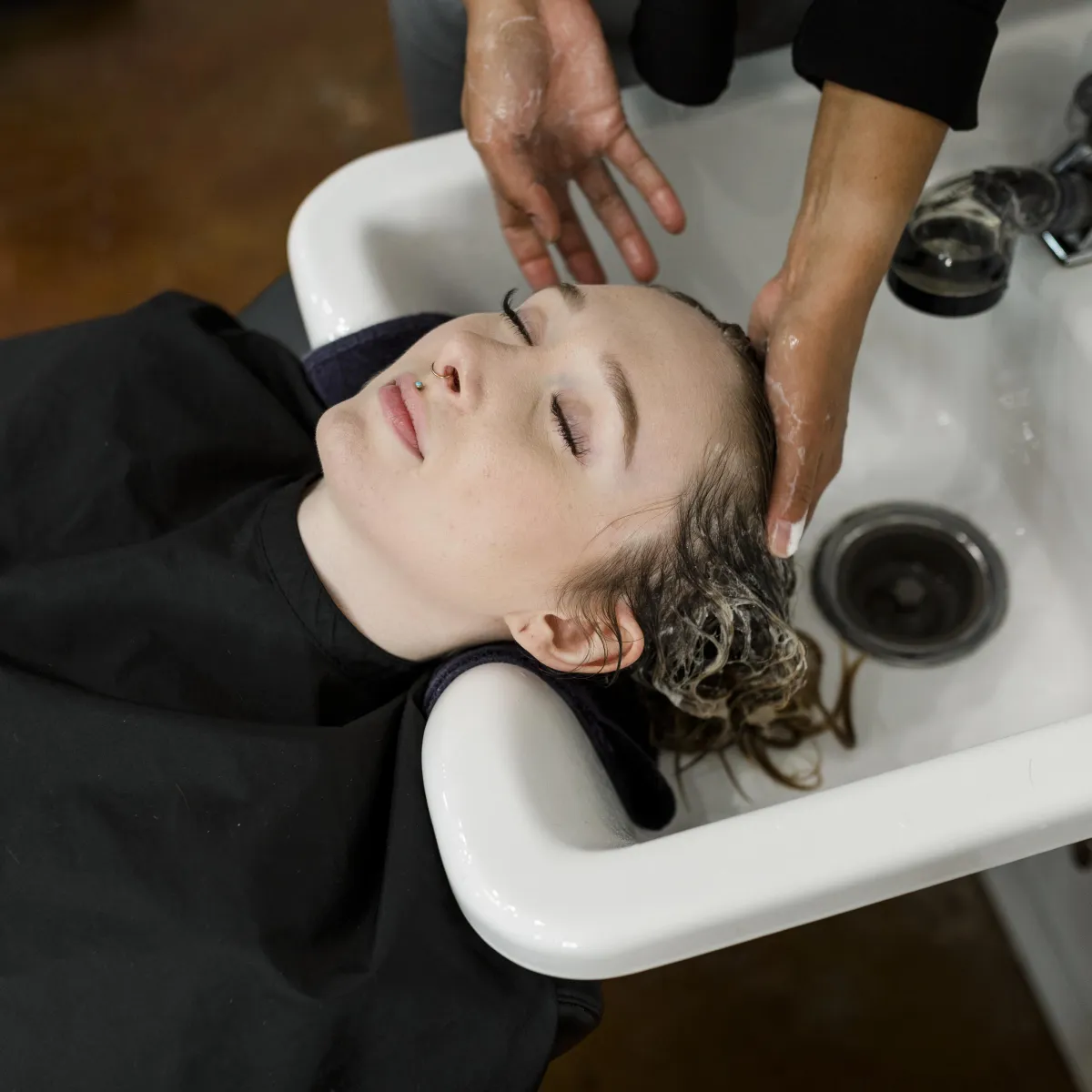
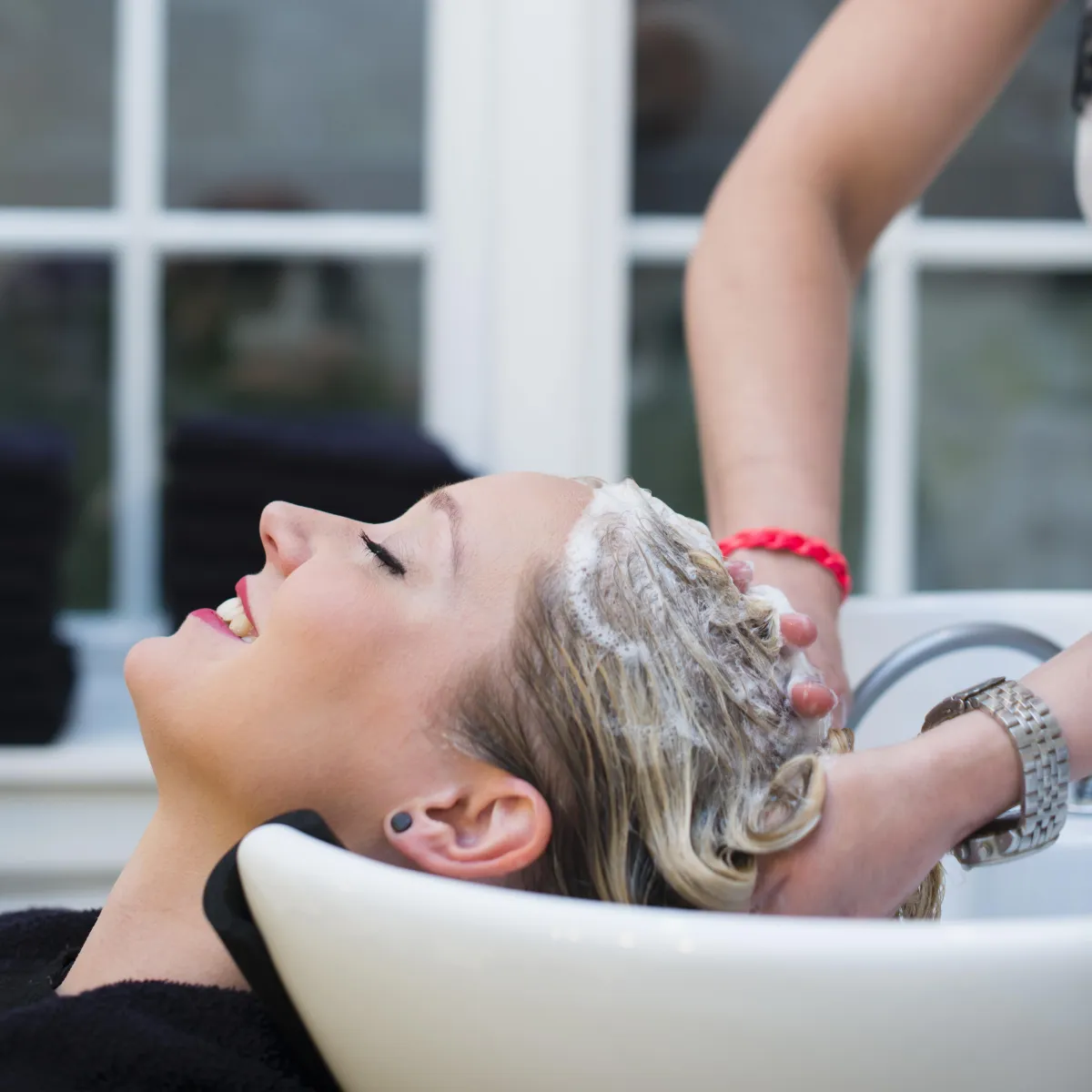
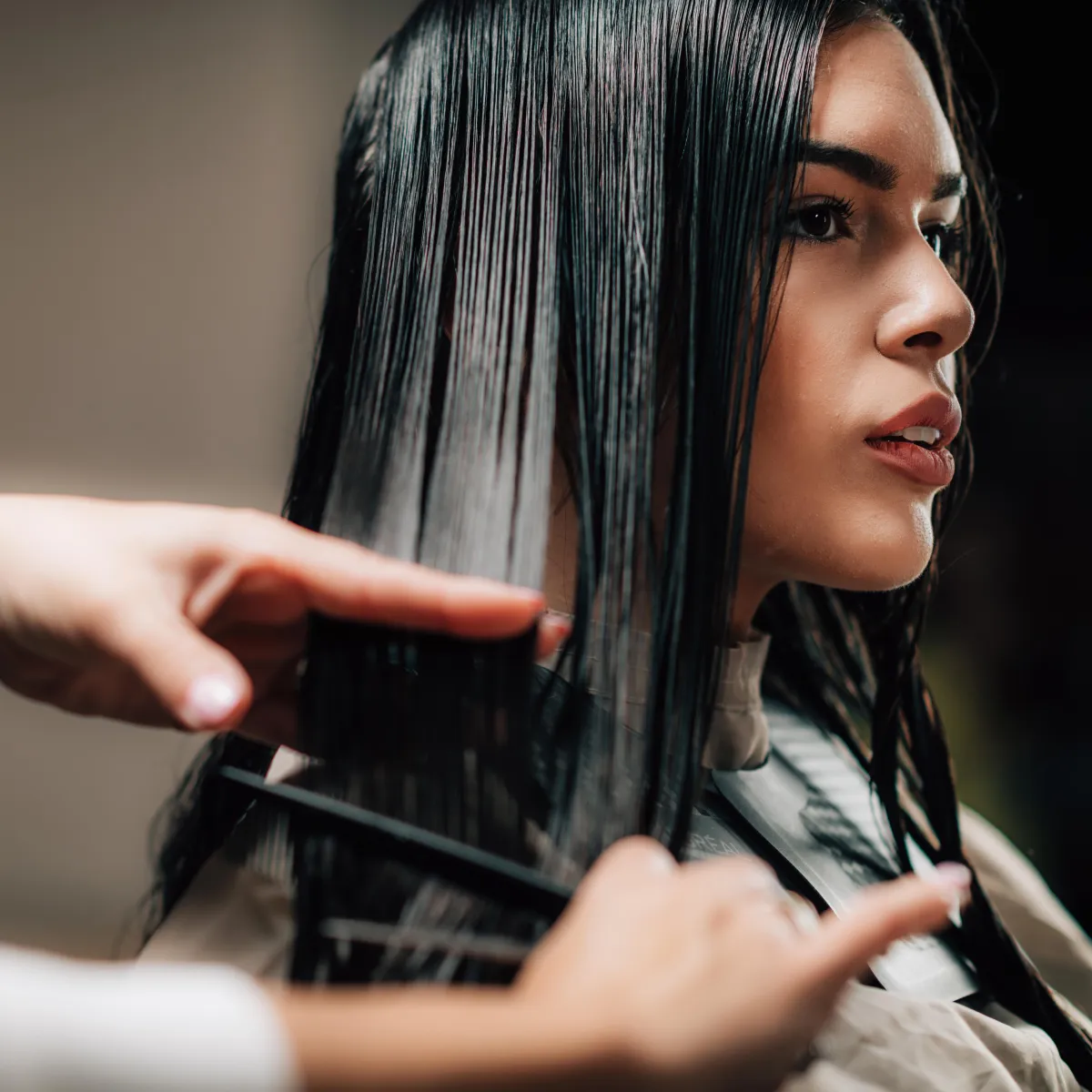
I provide premier mobile hair salon services in Portsmouth, NH, bringing professional salon-quality hair care directly to your doorstep for a convenient, personalized, and comfortable experience along the beautiful Seacoast of New Hampshire. My innovative mobile setup saves you time while delivering expert hairstyling in the comfort of your own space. Whether you are in downtown Portsmouth or nearby surrounding communities, I provide reliable, professional styling tailored to your needs.
Professional hair care comes directly to you so you can enjoy a fresh haircut, vibrant new color, or polished hairstyle in the comfort of your own home. Equipped with professional tools and a fully prepared mobile setup, I deliver the same high-quality results you expect from a salon while creating a relaxed experience that fits naturally into your schedule. If you are searching for a mobile hair stylist near me in Portsmouth, convenient and dependable service is available right at your doorstep.
A personalized salon experience should never require extra travel or inconvenience. My mobile hair salon in Portsmouth, NH, brings creativity, precision, and professional attention to detail directly to you through Redhead Mobile Salon. Flexible scheduling, individualized service, and consistent results make your hair transformation journey simple, comfortable, and tailored to your lifestyle along the Seacoast.
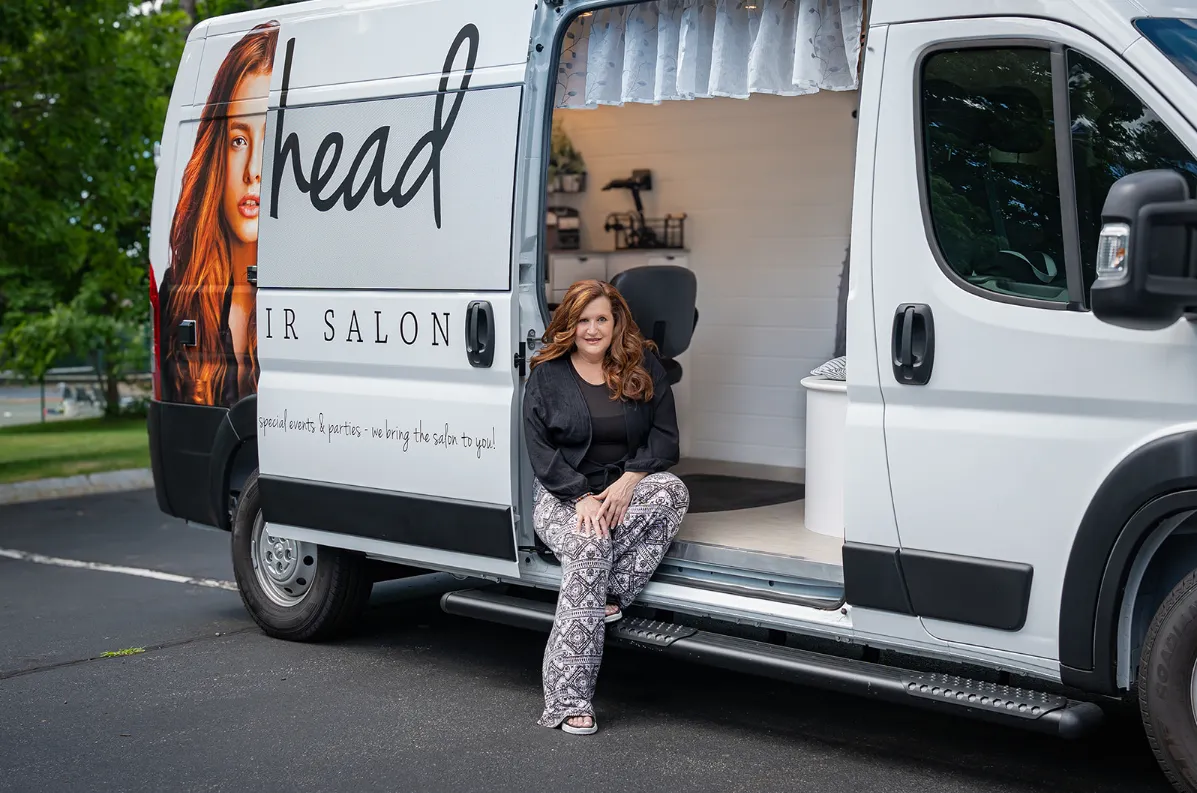
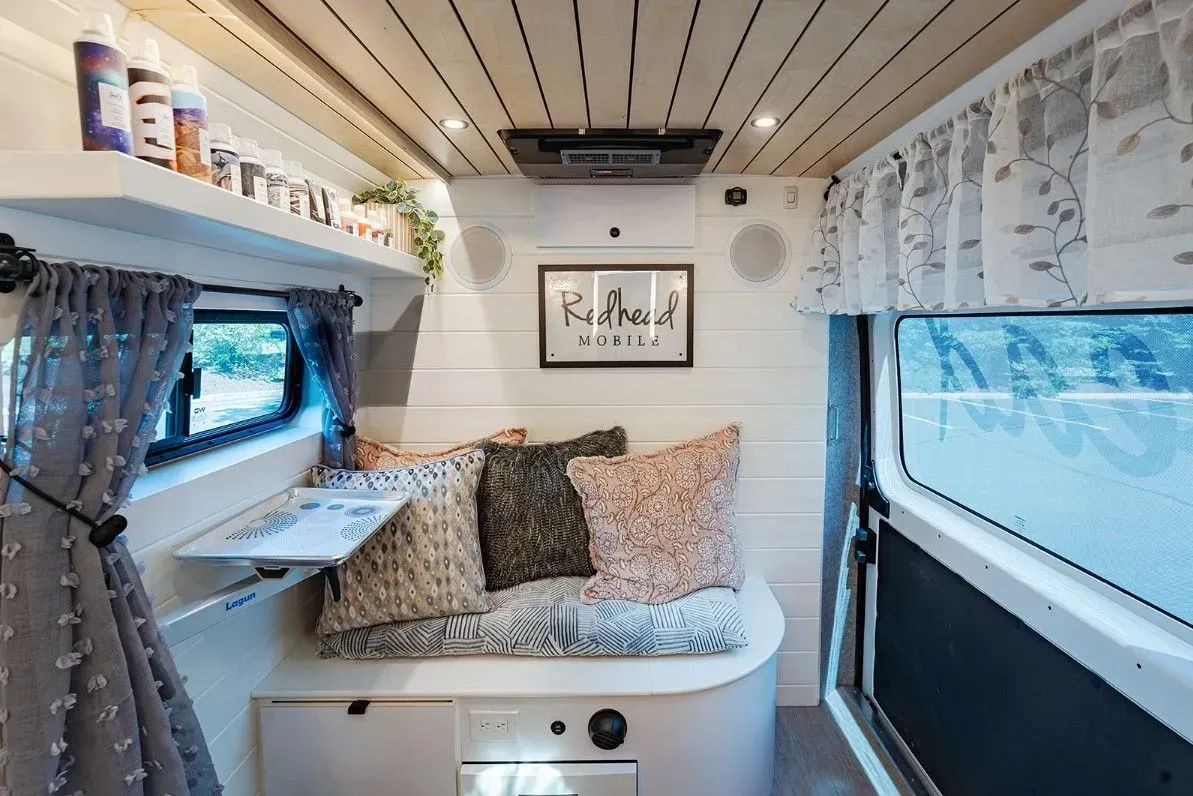
My mobile salon brings the finest hair care services directly to you, offering a luxurious and personalized experience that fits your busy lifestyle. Based in Portsmouth, NH, I redefine the traditional salon experience by delivering professional styling and creativity right to your doorstep. Clients searching for a mobile beauty salon or mobile haircuts for seniors near me in Portsmouth can rely on Redhead Mobile Salon for convenient, high-quality service tailored to their needs.
Busy schedules often make it difficult to prioritize self-care, which is why my services are designed to save you time without sacrificing quality. Respecting how valuable your time is, I created my mobile salon experience to provide professional styling that fits naturally into your day. Anyone searching for a mobile hairstylist near me or a mobile stylist near me can enjoy dependable service delivered comfortably at home.
Inside my mobile salon setup, you receive the same level of comfort, professionalism, and attention to detail found in a traditional salon environment. Using modern tools, current techniques, and trusted hair care products, I create personalized styles that help keep your hair healthy and vibrant between appointments. Whether you need a fresh cut, mobile haircuts, a vibrant color, or a special occasion style, my mobile haircut service is designed to bring professional results directly to you.
From a quick mobile haircut touch-up to a complete hair transformation, Redhead Mobile Salon provides convenient, reliable styling tailored to your lifestyle. Booking an appointment is simple, allowing you to experience a modern approach to professional hair care delivered right to your door.
Beauty and Convenience by the Coast
Is Portsmouth, NH a good place to live?
Portsmouth, NH, is a thriving coastal city known for its historic charm, cultural attractions, and excellent quality of life. Residents enjoy a vibrant downtown, top-rated schools, and a strong sense of community. While the city offers plenty of entertainment, dining, and outdoor activities, the cost of living is higher than the national average, mainly due to housing prices. Its walkability, safety, and welcoming atmosphere continue to make it a desirable place to live along the Seacoast.
At Redhead Mobile Salon, I proudly serve the Portsmouth community by bringing professional hair care directly to my clients’ homes. My mobile salon provides a convenient, high-quality experience designed for busy professionals, parents, seniors, and anyone who prefers personalized salon services without the need to travel.
Whether you are looking for a fresh new style, routine maintenance, or hair styling for a special event, I provide dependable, professional service tailored to your needs. Experience the future of hairstyling with Redhead Mobile Salon, where convenience and quality come together right at your doorstep. Book your appointment today and enjoy a comfortable, personalized salon experience brought directly to you.
Beauty and Convenience by the Coast
Elevate Your Beauty Experience
01
Luxurious Experience
My goal is to make your time with me more than just a beauty appointment; I create a comfortable and personalized salon experience designed to feel relaxing, convenient, and enjoyable from start to finish. My mobile salon brings professional hairstyling directly to you, allowing you to unwind in a familiar setting while receiving expert care tailored to your needs. I focus on delivering high-quality results while creating a calm and welcoming experience that fits naturally into your day.
From the moment your appointment begins with Redhead Mobile Salon, I create a warm and comfortable environment where you can relax and enjoy personalized attention. My focus goes beyond styling your hair, I help you feel refreshed, confident, and cared for through a professional experience designed around your comfort, convenience, and individual style goals.
02
Passionate Artistry
My expertise and knowledge of the latest hairstyling trends allow me to work closely with you to bring your vision to life. From the moment your appointment begins, I create a welcoming and comfortable experience focused on creativity, personalization, and attention to detail. I take time to understand your preferences and tailor each service to match your style, helping create results that reflect your personality and enhance your confidence. My goal is not just to provide a hairstyle, but to deliver a professional experience that feels customized and meaningful for you.
My commitment to continuing education helps me stay current with the latest trends, techniques, and modern styling methods so I can bring fresh ideas and professional-quality results directly to you. This dedication to growth and creativity ensures that every appointment with my mobile salon is an opportunity for you to express your individuality through updated styles designed around your needs and lifestyle.
03
Staying Ahead of Trends
At Redhead Mobile Salon, I am committed not only to keeping up with industry trends but to staying ahead through ongoing education and professional growth. I continually invest in advanced training, modern workshops, and updated techniques in hairstyling and coloring so I can bring the latest innovations directly to you. This commitment ensures that when you trust me with your hair care experience, you benefit from current industry knowledge and modern styling approaches that reflect today’s leading beauty standards.
Through my dedication to continuing education, I provide access to updated styles, modern color trends, and advanced techniques designed to elevate your overall hair care experience. My goal is to deliver professional results that feel fresh, personalized, and aligned with the latest developments in modern hairstyling.
04
Your Hair in Expert Hands
When you choose Redhead Mobile Salon, you choose a trusted professional dedicated to helping bring your beauty goals to life. I provide skilled, personalized services with a strong focus on quality, precision, and attention to detail. From precision haircuts to detailed color work, I use professional techniques and experience to create results that match your vision and support your confidence.
Choosing Redhead Mobile Salon means working with someone who values consistency, professionalism, and individualized care. I take time to offer expert recommendations, understand your preferences, and ensure each appointment feels comfortable, convenient, and tailored to you. Book your appointment today and experience why Redhead Mobile Salon is a trusted choice for clients looking for a truly personalized mobile salon experience.
Salon Services at Your Doorstep
Professional Mobile Beauty Services
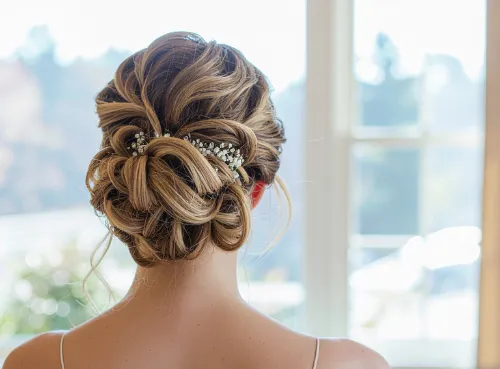
Professional on-location wedding hairstyling designed to create elegant, long-lasting looks for brides and bridal parties on your special day.
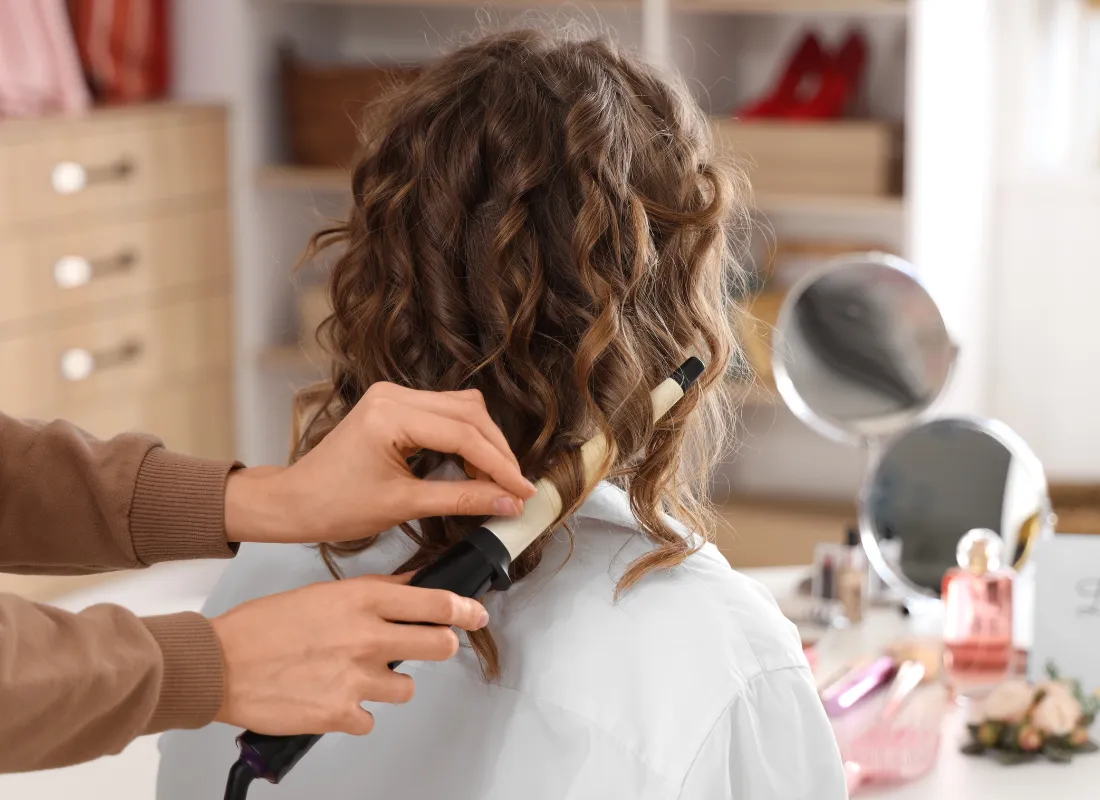
Convenient mobile prom hairstyling that helps you feel confident and photo-ready with a customized look created right at your location.
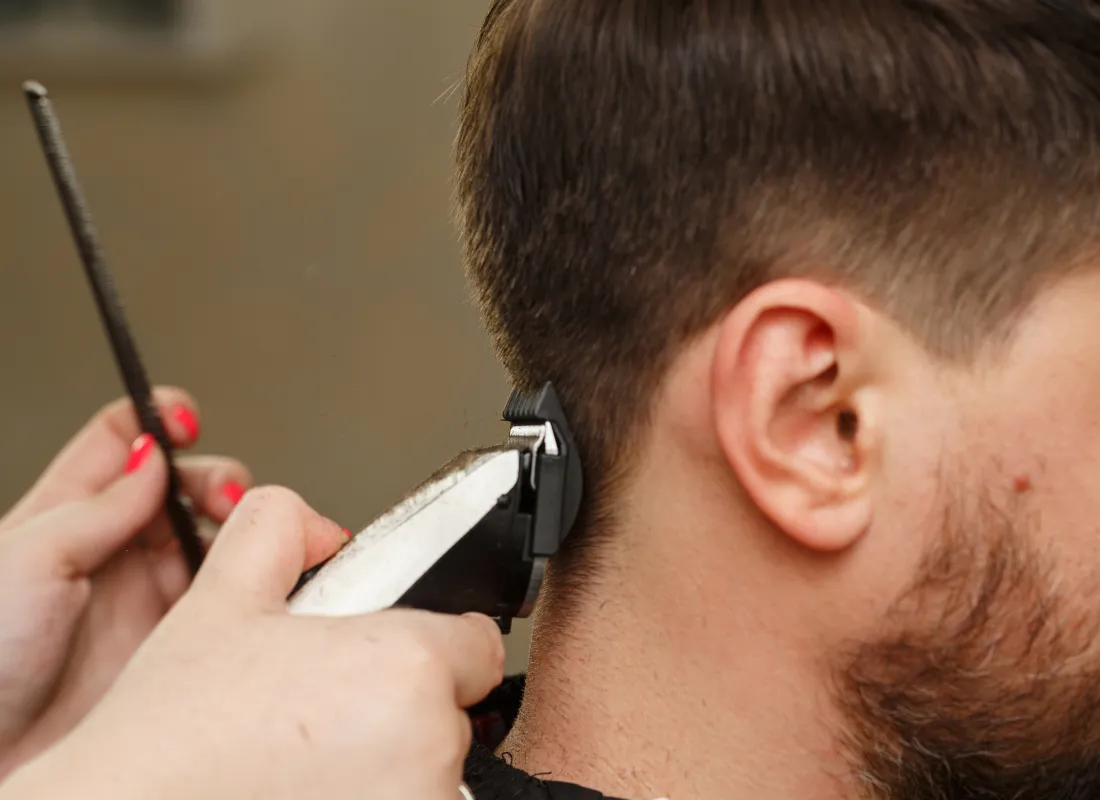
Professional mobile men’s haircut services designed to deliver clean, polished styles at your home, office, or preferred location.
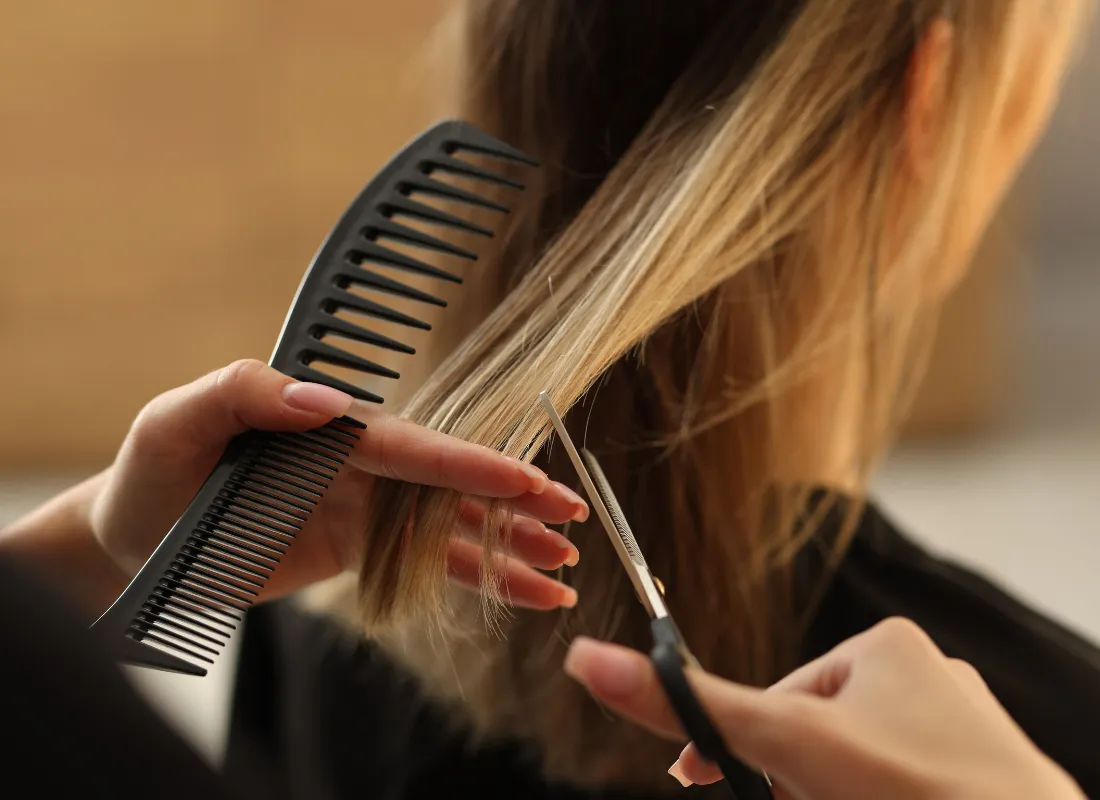
Professional mobile women’s haircut services designed to create flattering, easy-to-maintain styles delivered at your home, office, or preferred location.
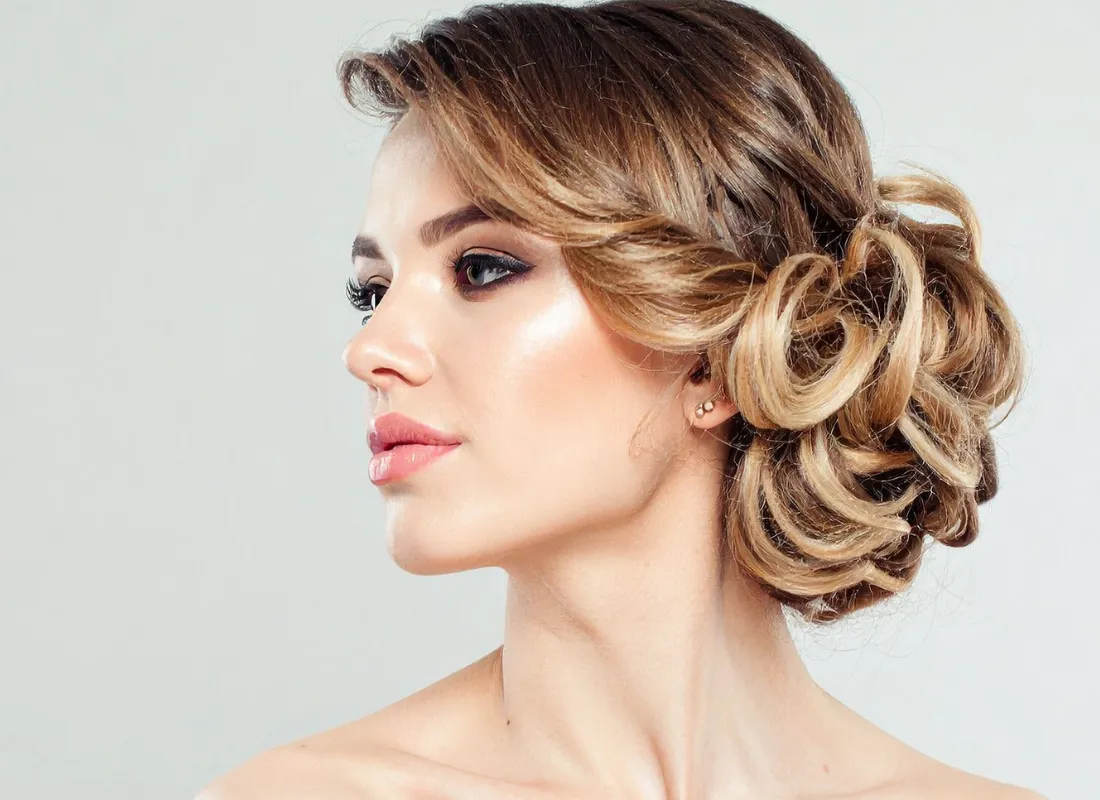
Professional mobile event hair styling services designed to create polished, long-lasting looks delivered at your home, venue, or event location.
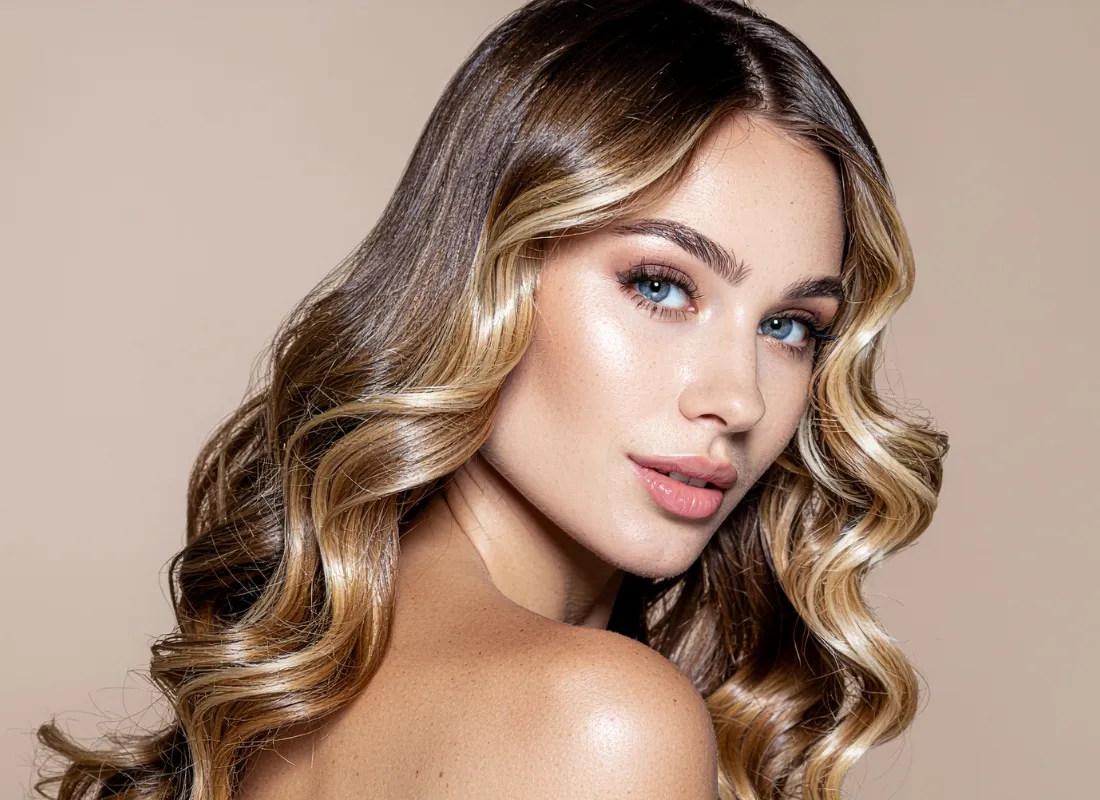
Professional hair products selected to support healthy, manageable styles and maintain salon-quality results between appointments.
My Hair & Beauty Services
Redhead Mobile Salon Service Menu
HAIRCUTS
Haircut with blowout
(includes styling)
$75 and up
Men's haircut
$40 and up
COLOR
Re-Touch Base Color with Blowout
90 min
$145
Re-Touch Base With Haircut
120 min
$165
Toner
$125
Corrective color service
Prices upon consultation
Foils
Partial foil
$155 and up
Partial Foil with Blowout
120 min
$195 and up
Partial Foil with Cut
150min
$205 and up
Full Foil with Blowout
150min
$200 and up
Full Foil with Cut
180min
$250 and up
Balayage
$245
Toners per application
$25
TEXTURE
Customized Treatment Mask
$55
Blowout/Style
$60 and up
Flat/Curling Iron Work up
$55 and up
Up-do/ Formal Style
$125
Bridal Up-do
Pricing upon consultation
Here’s what my clients ask me most
Questions? I’ve got you covered.
What are your business hours?
Redhead Mobile Salon in Portsmouth, NH proudly offers convenient weekday business hours to better serve my clients throughout the Seacoast area. I am available Monday through Friday from 9:00 AM to 6:00 PM, making it easier for you to schedule professional mobile hair services at a time that fits your routine and lifestyle.
Whether you are looking for a stylish haircut, a beautiful new hair color, or another professional hair service, I provide personalized mobile salon appointments during these hours to meet your needs. I understand how important flexibility is when planning your schedule, and my weekday availability is designed to make professional hair care more accessible and convenient.
Your satisfaction is my priority, and I am committed to delivering a comfortable, high-quality mobile salon experience with every appointment. You are welcome to contact me during business hours at (603) 766-2460 to schedule your appointment or learn more about my services. I look forward to helping you achieve the look you want with convenient, professional care brought directly to you.
What is a mobile hair salon?
A mobile hair salon, often referred to as a “salon on wheels,” is a convenient and modern approach to professional hairstyling services. At Redhead Mobile Salon in Portsmouth, NH, I proudly offer this flexible service so you can enjoy high-quality hair care without the need to visit a traditional salon.
A mobile hair salon is a fully equipped salon experience brought directly to your preferred location, whether that is your home, office, or another convenient setting. My mobile setup includes professional tools, quality products, and the expertise needed to provide a wide range of hairstyling services right at your doorstep. This allows you to save time while enjoying personalized attention in a comfortable and familiar environment.
A mobile hair salon is an excellent option for busy professionals, seniors, special occasions, or anyone who prefers a more private and convenient salon experience. If you are interested in the benefits of a mobile hair salon, contact Redhead Mobile Salon in Portsmouth, NH, today to schedule your appointment and enjoy professional hair care delivered directly to you.
How can I book an appointment?
Booking your appointment with Redhead Mobile Salon in Portsmouth, NH is simple and convenient, with flexible options designed to fit your schedule and preferences.
Calling (603) 766-2460 is an easy way to speak with me directly so I can help you choose the best date and time for your appointment based on your availability and the service you need.
Booking online is another quick and convenient option, allowing you to select your preferred service, date, and time from the comfort of your own device. I respect your time and make the scheduling process as smooth as possible so you can enjoy a stress-free experience from booking to appointment day. Contact me today to schedule your visit with Redhead Mobile Salon.
What services do mobile hair salons offer?
I am offering a wide range of convenient services.
⊕Haircuts and Styling:
I provide expert haircuts and styling services designed to help you look your best without leaving the comfort of your home. My mobile salon setup allows me to deliver professional results with personalized attention tailored to your preferences and lifestyle.
⊕Hair Color:
I offer professional hair color services ranging from simple touch-ups to complete transformations. Using high-quality products and modern techniques, I help achieve the shade and finish that best complements your style.
⊕Special Occasion Styling:
I create elegant updos, braids, and customized styles for weddings, celebrations, and special events so you can feel confident and prepared for important moments without the stress of traveling to a salon.
⊕Consultations:
I provide personalized consultations to discuss your hair goals, answer your questions, and recommend the services that will help you achieve the look you want with confidence.
To experience the convenience and expertise of Redhead Mobile Salon, contact me at (603) 766-2460. I bring the salon experience to your doorstep, ensuring you look and feel your best.
Are mobile hair salons more expensive than traditional salons?
Wondering how the cost of a mobile hair salon compares to a traditional salon? At Redhead Mobile Salon in Portsmouth, NH, I understand how important it is to receive high-quality service at a fair and reasonable price. My mobile salon services are competitively priced and designed to provide strong value while delivering professional results directly to your doorstep.
Choosing a mobile salon also adds convenience that traditional salons cannot always offer. By eliminating travel time and waiting at a salon, I help make your appointment more efficient and comfortable while still maintaining professional-quality service. My goal is to provide accessible styling solutions that fit your schedule and your budget. Contact me at (603) 766-2460 to learn more about pricing and experience the convenience and value of Redhead Mobile Salon.
Is there a travel fee for mobile hair salon services in Portsmouth?
At Redhead Mobile Salon in Portsmouth, NH, I focus on providing transparent and convenient mobile hair salon services so you always know what to expect when booking an appointment. I understand that travel fees are a common question with mobile services, and I work to keep pricing simple, clear, and fair.
In most cases, my mobile hair salon services in Portsmouth do not include additional travel fees within the local service area. I aim to make the convenience of professional mobile hairstyling accessible without unexpected costs. My priority is delivering high-quality haircuts, coloring, and hair care services directly to your location so you can enjoy professional results in a comfortable setting. If you have questions about service areas or specific pricing details, contact me at (603) 766-2460 to learn more about scheduling your appointment with Redhead Mobile Salon.
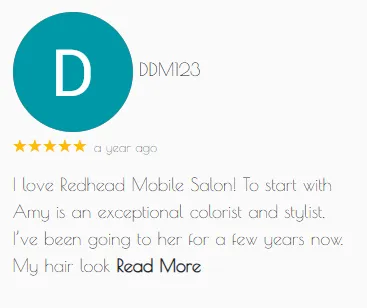
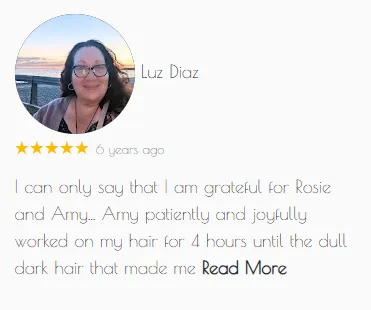
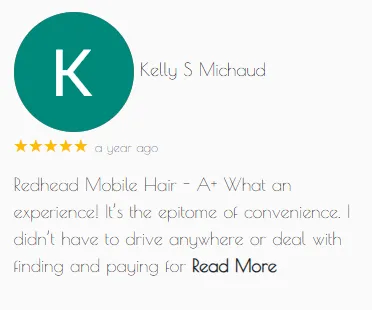
Real stories, radiant results
MY Happy Customers

Contact ME
I’m Here to Help You Look Your Best
HOURS:
Mon: Closed
Tue: 10:00AM-5:00PM
Wed: 10:00AM-5:00PM
Thu: 10:00AM-7:00PM
Fri: Closed
Sat: 9:00AM-3:00PM
Sun: Closed