How to Protect Your Hair from Heat Damage
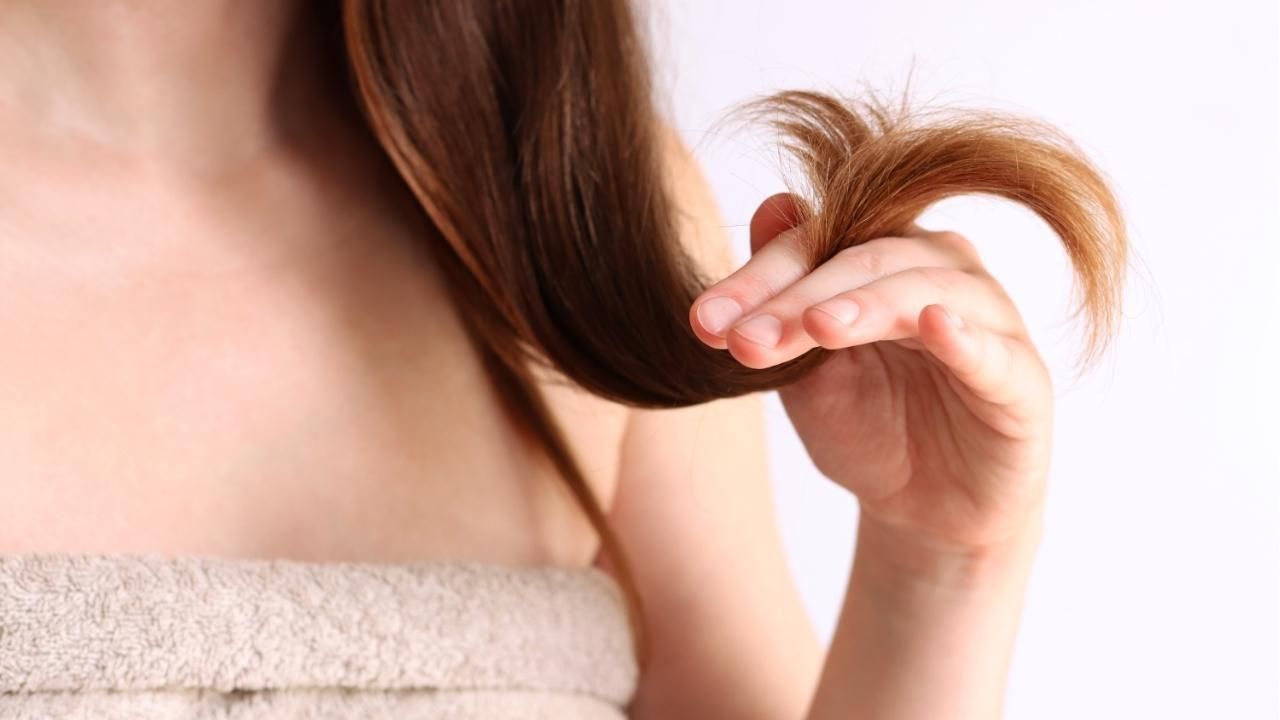
You love that sleek blowout. You swear by your curling iron. But if your hair feels dry, brittle, or flat lately, heat styling might be slowly wrecking it. The truth? A few small habits can mean the difference between glossy, healthy strands and long-term damage.
In this guide, you’ll learn exactly how heat damages your hair, what warning signs to watch for, and practical steps you can take today to protect it, without giving up your favorite styles.
Why Heat Wreaks Havoc on Your Hair
Heat tools work by breaking down hydrogen bonds in your hair so it can be reshaped. The problem is that excessive heat also strips moisture, weakens protein structures, and roughs up the cuticle layer.
Over time, this leads to:
- Split ends
- Increased frizz
- Dullness
- Breakage
- Loss of elasticity
Even professionals at a Portsmouth NH mobile hair salon will tell you: healthy styling starts long before you plug in a flat iron.
And here’s the kicker, heat damage is cumulative. Just because your hair survived last week’s styling session doesn’t mean it’s fine. Every pass of a 400°F tool chips away at your hair’s natural strength.
Step 1: Start With the Right Foundation
Protection doesn’t begin with the styling tool. It starts in the shower.
Using quality hair products designed for moisture retention makes a real difference. Look for formulas with:
- Keratin or protein to strengthen strands
- Argan or coconut oil for hydration
- Silicone-based heat protectants to shield from high temps
- Glycerin for moisture balance
Avoid harsh sulfates if your hair is already dry or color-treated. Your hair needs targeted care for its unique texture and condition.
Condition deeply at least once a week. If your hair feels rough when wet, that’s a sign it needs more moisture before any heat touches it.
Step 2: Always Use a Heat Protectant (No Exceptions)
Skipping heat protectant is like stepping into the sun without sunscreen.
A good protectant creates a barrier between your strands and the hot tool. It reduces moisture loss and helps distribute heat more evenly. Spray or apply it evenly on damp hair before blow-drying, and again lightly before using curling or flat irons if needed.
Pro tip: Don’t drench your hair. Too much product can cause buildup and make hair stiff.
Step 3: Lower the Temperature, Seriously
Most people use way more heat than necessary.
Fine or thin hair? Stay under 300°F.
Medium thickness? Around 300–350°F.
Thick or coarse hair? Rarely above 375°F.
If you smell burning, that’s protein literally cooking. That scent is damage happening in real time.
Invest in tools with adjustable heat settings. High heat isn’t “better.” It’s just faster and often more destructive.
Step 4: Change Your Routine
You don’t have to quit heat styling. You just need smarter habits.
- Air-dry to 70–80% before blow-drying
- Use a microfiber towel instead of rough cotton
- Limit full heat styling to 2–3 times per week
- Rotate styles that don’t require heat
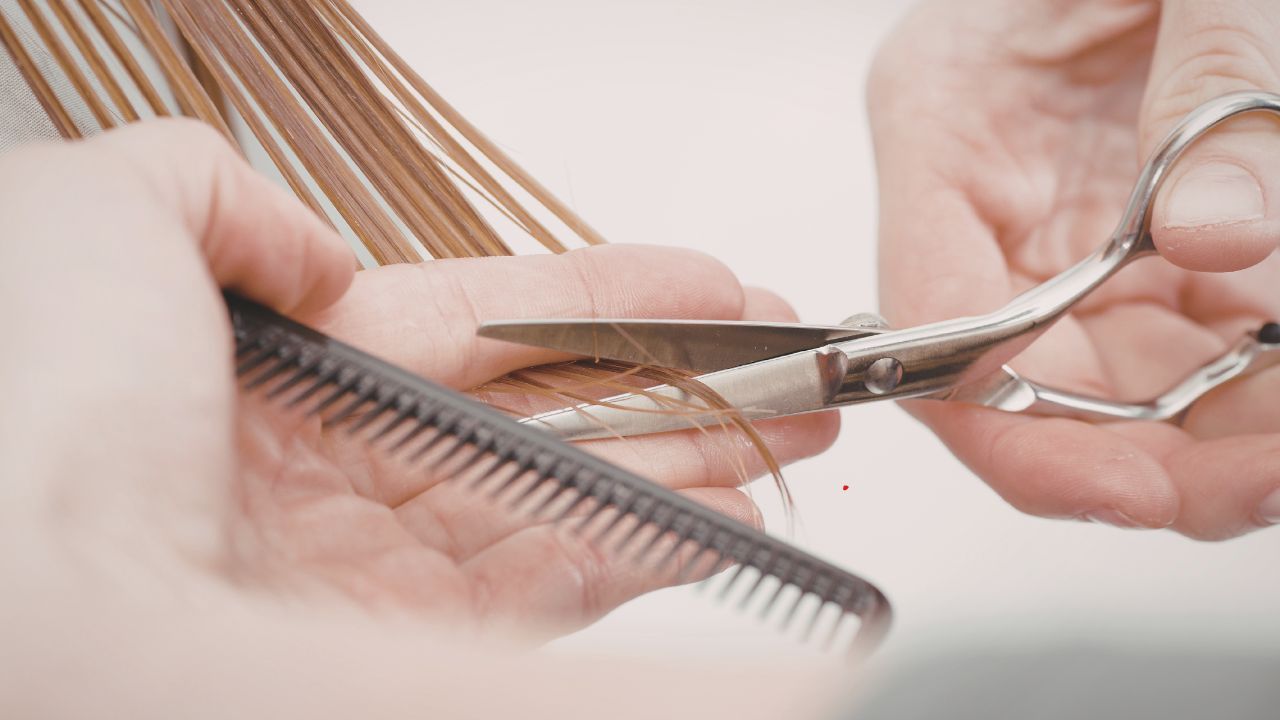
- Trim regularly to remove weak ends
Even small changes dramatically reduce long-term damage.
A Quick Case Study: The 30-Day Reset
One client came in with chronic breakage from daily flat ironing. Her ends were thin, and her shine was gone. Instead of cutting everything off, we made a simple 30-day adjustment plan.
She reduced heat use to twice a week, lowered her flat iron temperature by 50 degrees, added weekly deep conditioning, and consistently used a thermal protectant. Within a month, breakage slowed noticeably. By month three, her hair looked thicker and healthier without losing length.
The lesson? Damage control doesn’t require extreme measures, just consistent, smarter habits.
Final Thoughts: Protect Now, Repair Less Later
Heat styling isn’t the enemy. Carelessness is.
When you strengthen your hair first, protect it every time, and lower the heat, you keep your shine, bounce, and length intact. The goal isn’t perfection, it’s prevention.
Start today. Adjust one habit and
contact us to schedule your personalized hair health consultation with our
expert stylists.
Share this article with friends
Read More Hair & Beauty Tips & Tricks